
İçindekiler
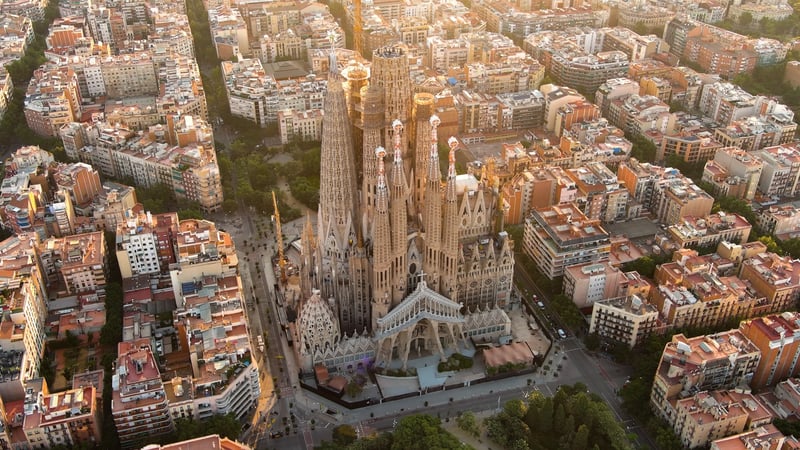
When I first visited Barcelona, the city’s energy and architecture deeply affected me. However, there was one structure rising on the horizon with all its splendor and grandeur that enchanted me the moment I saw it: La Sagrada Familia. The history and story behind this magnificent basilica draws me in again and again. That’s why I want to share with you La Sagrada Familia’s fascinating journey from past to present.
A Dream Comes True
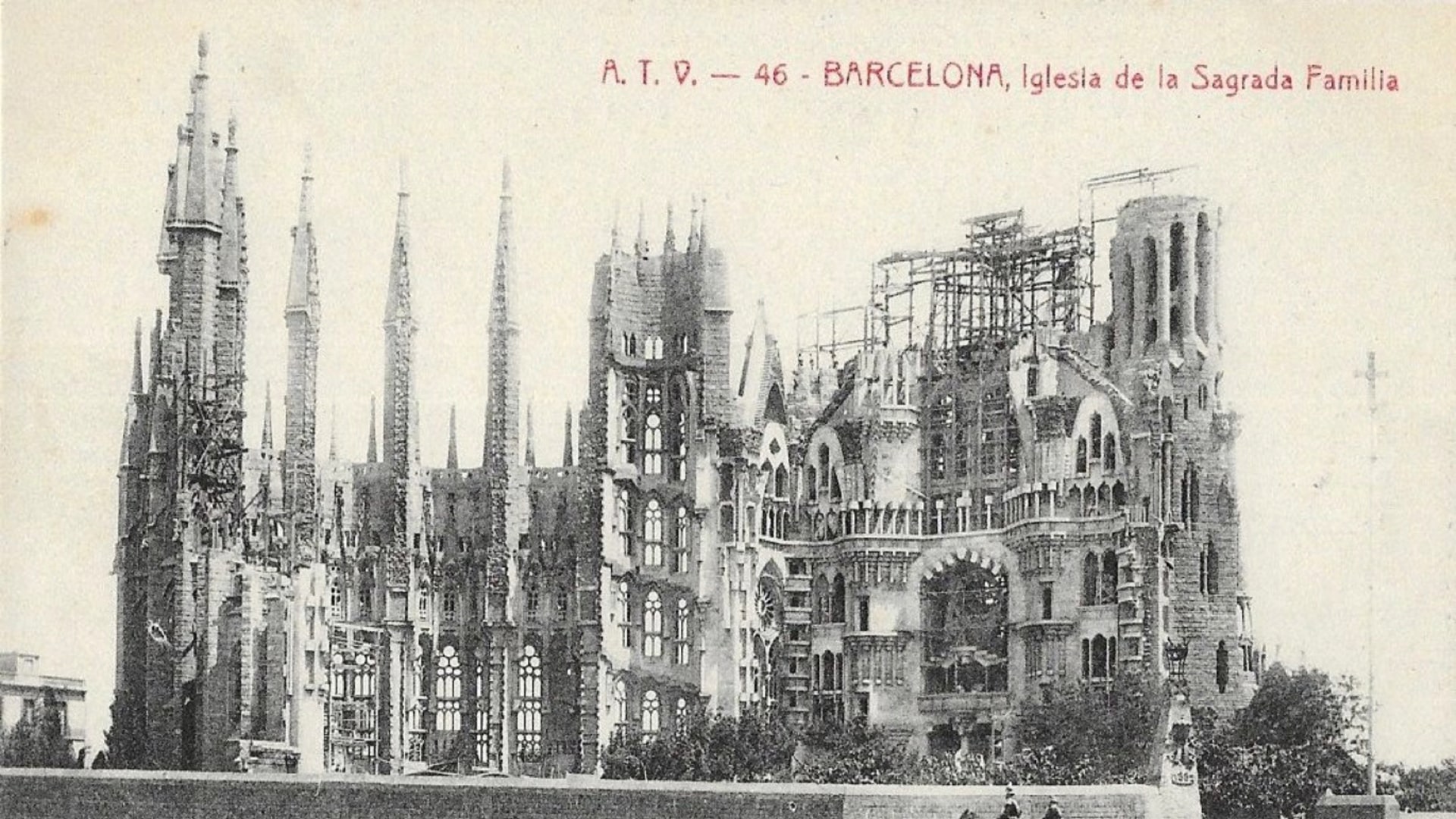
It all began in the late 19th century. In 1882, a bookseller and philanthropist named Joseph Maria Bocabella rolled up his sleeves to realize his dream of building a grand church dedicated to the Holy Family. The foundation was laid for the project, initially designed in neo-Gothic style by the first architect, Francisco de Paula del Villar. However, due to disagreements with del Villar, the project soon came to a standstill.
Antoni Gaudi’s Entry onto the Stage
In 1883, the young and visionary architect Antoni Gaudi, just 31 years old, took over the project. Gaudí envisioned not just a church, but a unique structure that would combine nature, religion, and art. In his vision, La Sagrada Familia would be a living organism that integrated the symbolic expression of Christianity with architecture.
Gaudi’s Revolutionary Design
Gaudi was determined to break traditional architectural molds. Drawing inspiration from nature, he carefully designed every detail of the basilica using organic forms and geometric shapes. In his design, he planned three main facades: the Nativity Facade, Passion Facade, and
Glory Facade. Each facade would represent a different period in Jesus’s life.
Nativity Facade: This facade, depicting Jesus’s birth and childhood period, is known as a symbol of life and creativity. It is adorned with fine details and decorations, reflecting the richness of nature.
Passion Facade: Representing Jesus’s crucifixion and death, this facade has simpler and sharper lines. It symbolizes humanity’s suffering and sacrifice.
Glory Facade: This yet-to-be-completed facade, which tells the story of Jesus’s resurrection and ascension to heaven, will be a symbol of hope and eternal life when completed.
Difficulties in the Construction Process
Gaudi dedicated the rest of his life to the La Sagrada Familia project. So much so that in his final years, he moved his workshop to the construction site and focused entirely on La Sagrada Familia. However, when he died in a tragic tram accident in 1926, only a small portion of the basilica had been completed.
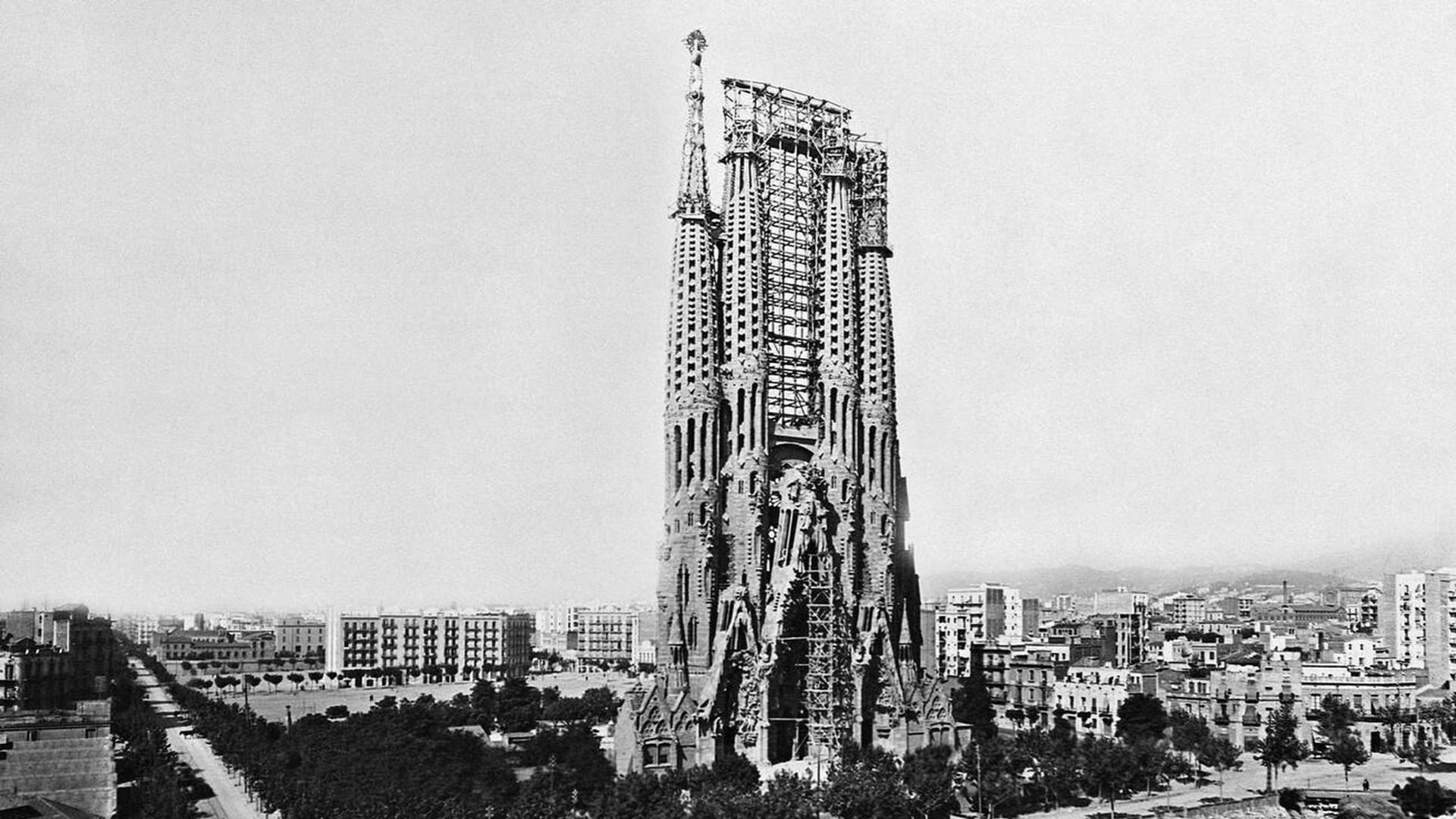
Gaudi dedicated the rest of his life to the La Sagrada Familia project. So much so that in his final years, he moved his workshop to the construction site and focused entirely on La Sagrada Familia. However, when he died in a tragic tram accident in 1926, only a small portion of the basilica had been completed.
Modern Technology
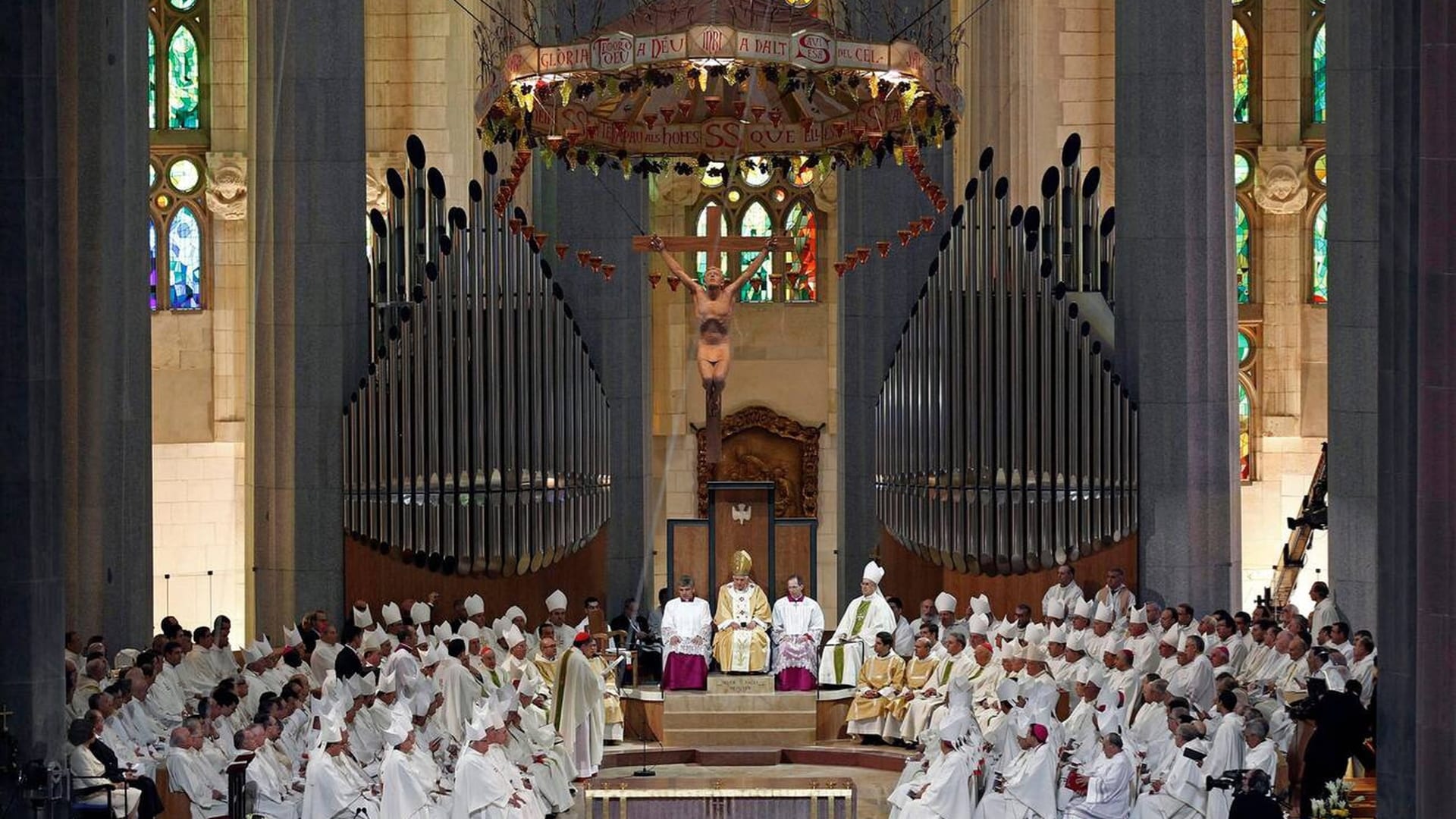
From the second half of the 20th century, construction of La Sagrada Familia gained momentum again. With the help of modern technology and computer-aided design, Gaudi’s vision began to be revived. The Passion Facade was completed in the 1980s, and the interior was largely finished in the 2000s. In 2010, it was consecrated as a basilica by Pope Benedict XVI and opened for worship. This opening became one of the significant turning points in La Sagrada Familia’s history.
Steps Towards the Future
Today, construction of La Sagrada Familia continues. Many of the 18 towers included in the original plan have been completed so far. The tallest tower, the Jesus Tower, is planned to reach a height of 172.5 meters when completed and claim the title of Barcelona’s tallest structure.
2026 was targeted as the completion date for the project, coinciding with the 100th anniversary of Gaudi’s death. However, it’s indicated that this date might be delayed for various reasons. The general director of La Sagrada Familia estimates that the project’s complete finish might extend to 2030, 2035, or even 2040.
La Sagrada Familia Interior
When you step through the doors of La Sagrada Familia, you feel like you are in a giant forest. This unique interior designed by Antoni Gaudí in 1883 is very different from the dark and heavy atmosphere of classical Gothic cathedrals. The 70-meter-high main nave is supported by columns that look like trees. These columns branch upwards, carrying the ceiling and giving the structure an organic appearance.
Dance of Light and Color
One of the most impressive elements in the interior is the atmosphere created by the light filtered through the stained glass. While the stained glass on the east facade reflects cold blue and green tones with the morning sun, the stained glass on the west facade turns the space into a feast of color with warm orange and red tones at sunset. Each of these stained glass windows contains carefully selected religious themes and has been made under the leadership of Joan Vila-Grau since 1999.
Central Altar and Crucifix
The main altar, located at the heart of the cathedral, has a simple yet impressive design. The large crucifix, installed in 1986 and designed by Josep Maria Subirachs, is an example of modern art meeting traditional religious symbols. The baldachin (canopy) above the altar was added in the 1960s and has a design symbolizing the crucifixion of Jesus.
Columns and Symbolic Details
Every detail in the interior has a meaning. Each of the 36 main columns is made of different types of stone and represents different characters from the Bible. The lighting elements on these columns were added in the early 2000s and are placed faithfully to Gaudí’s original design. Small inscriptions and symbols on some of the columns bear the signatures of craftsmen who worked at different periods of the construction.
La Sagrada Familia
La Sagrada Familia is not just a place of worship, but also a monument reflecting humanity’s relationship with nature, religion, and art. Gaudi’s deep respect for nature and God can be felt in every detail of the structure. When you step inside, you feel as if you’ve entered a forest; the tall columns represent tree trunks, while the colorful stained glass windows represent light filtering through leaves.
This basilica, with its construction spanning over a century, has become a symbol of patience and dedication. Every year, millions of visitors flock to Barcelona to see this unique structure.
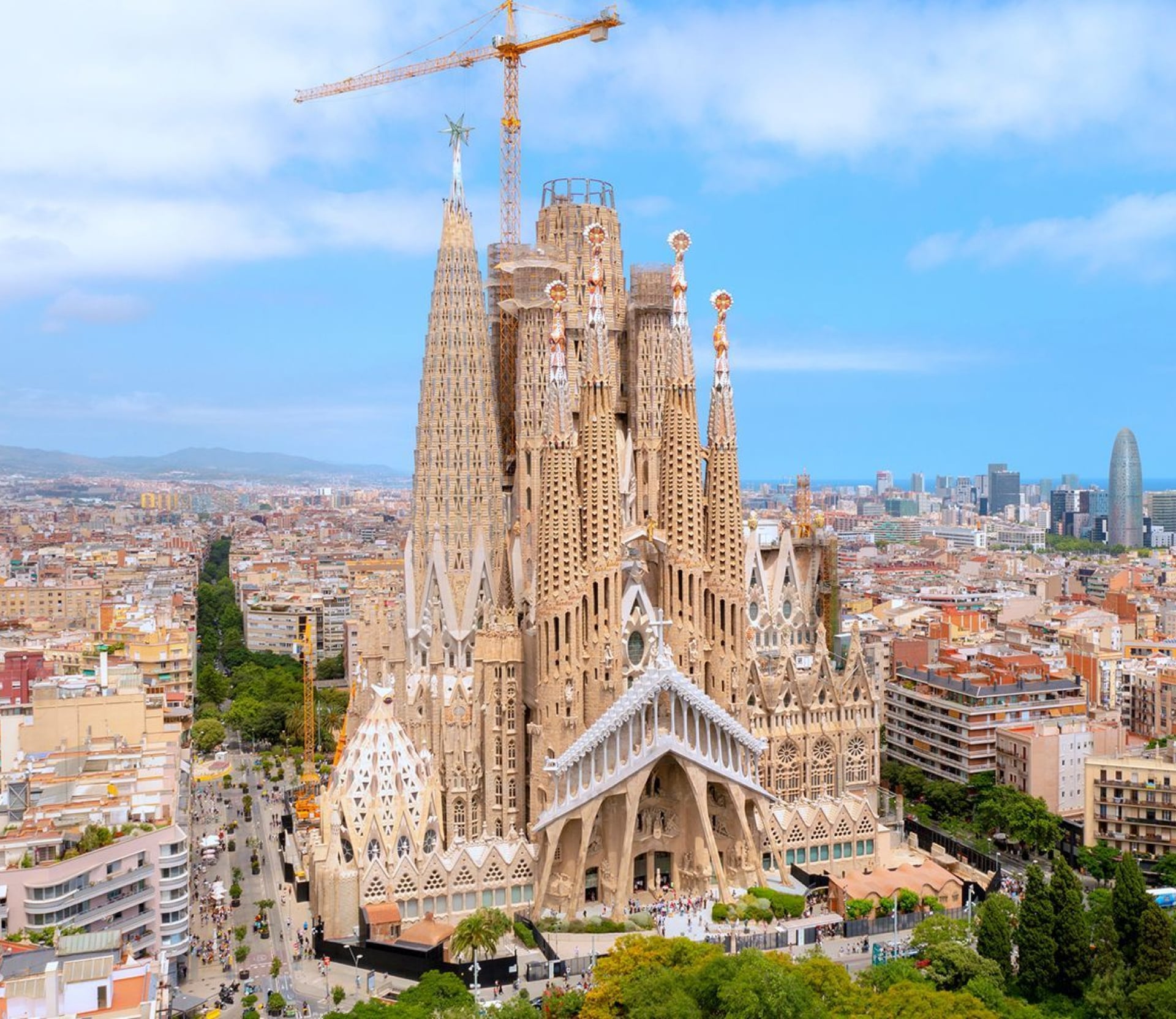
La Sagrada Familia is not just an architectural work, but also a testament to human creativity and determination. With each visit, I discover a new detail and find myself once again amazed by Gaudi’s genius. If your path leads you to Barcelona, make sure to visit La Sagrada Familia. Take in this magnificent work, because this is a place where past and future meet, where dreams become reality.
If you want to learn about the Modernist Site of Sant Pau, located just above La Sagrada Familia, check out the article.
La Sagrada Familia
Website
https://sagradafamilia.org
Visiting Hours
Weekdays: 09:00 / 20:00
Saturday: 09:00 / 18:00
Sunday: 10:30 / 20:00
Address
Carrer Mallorca, 401 Barcelona 08013